Nobody designed this beach. For 61 years, the city threw its garbage off the cliffs.
Fort Bragg opened its first cliff-top dump in 1906, on the bluffs behind the Union Lumber Company. Household waste, bottles, appliances, batteries, and eventually whole cars went over the edge. When the pile got too large to manage, residents lit it on fire — sometimes with Molotov cocktails — to reduce the volume. When the first site filled in 1943, the town simply moved the dump a few hundred metres north. When that filled in 1949, it moved again, to the cove now called Glass Beach. Dumping ended there in 1967 when the State Water Resources Control Board shut it down.
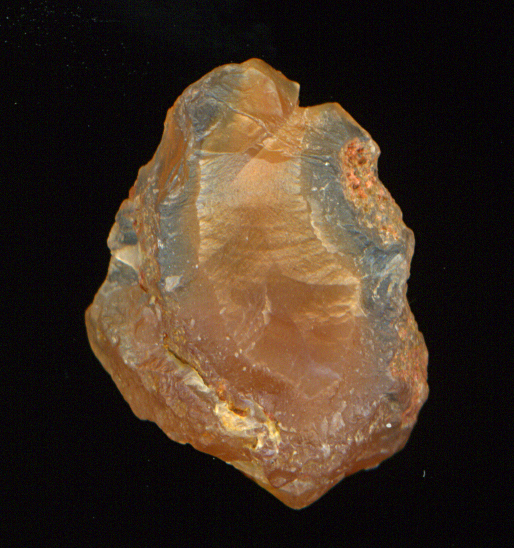
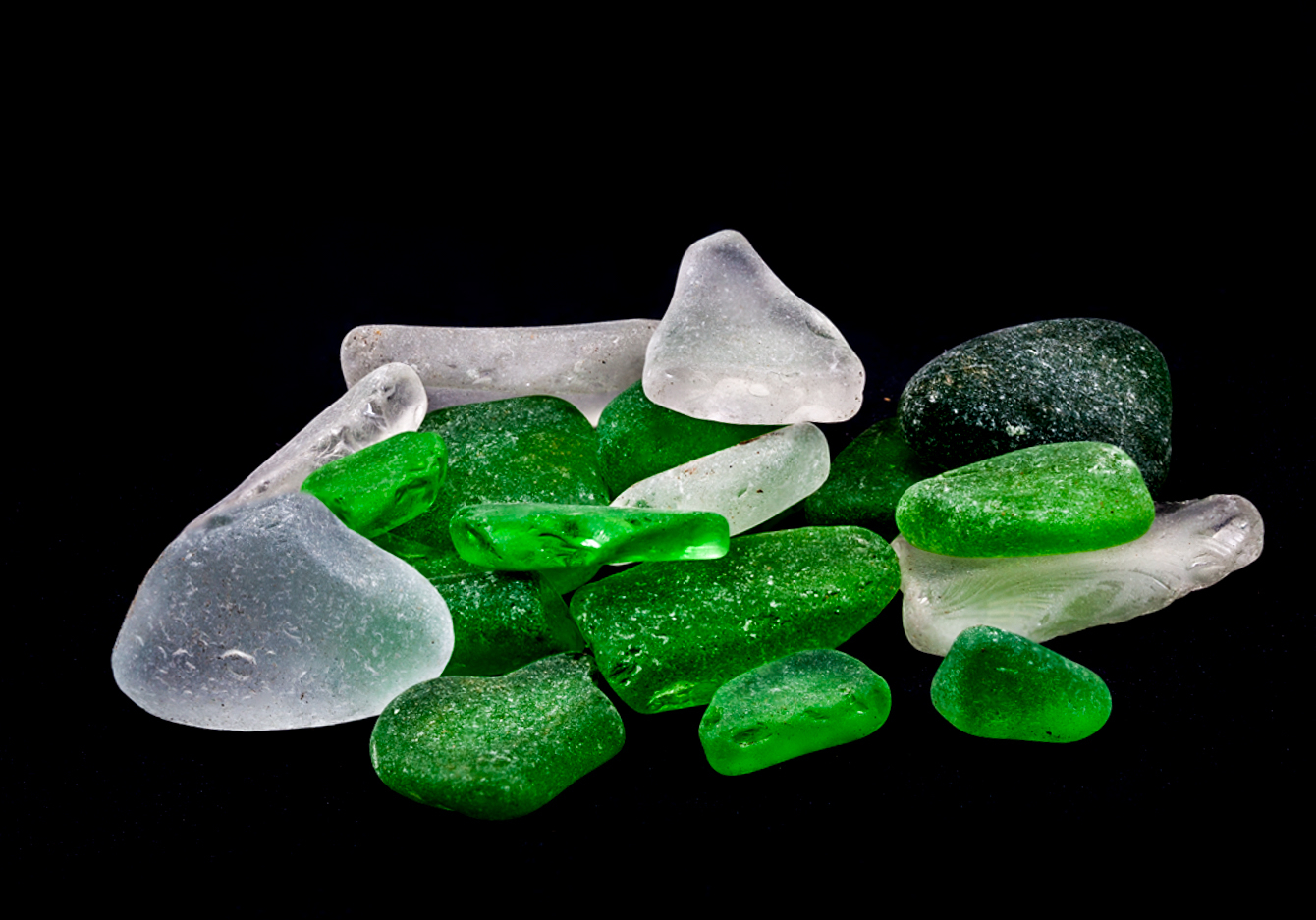
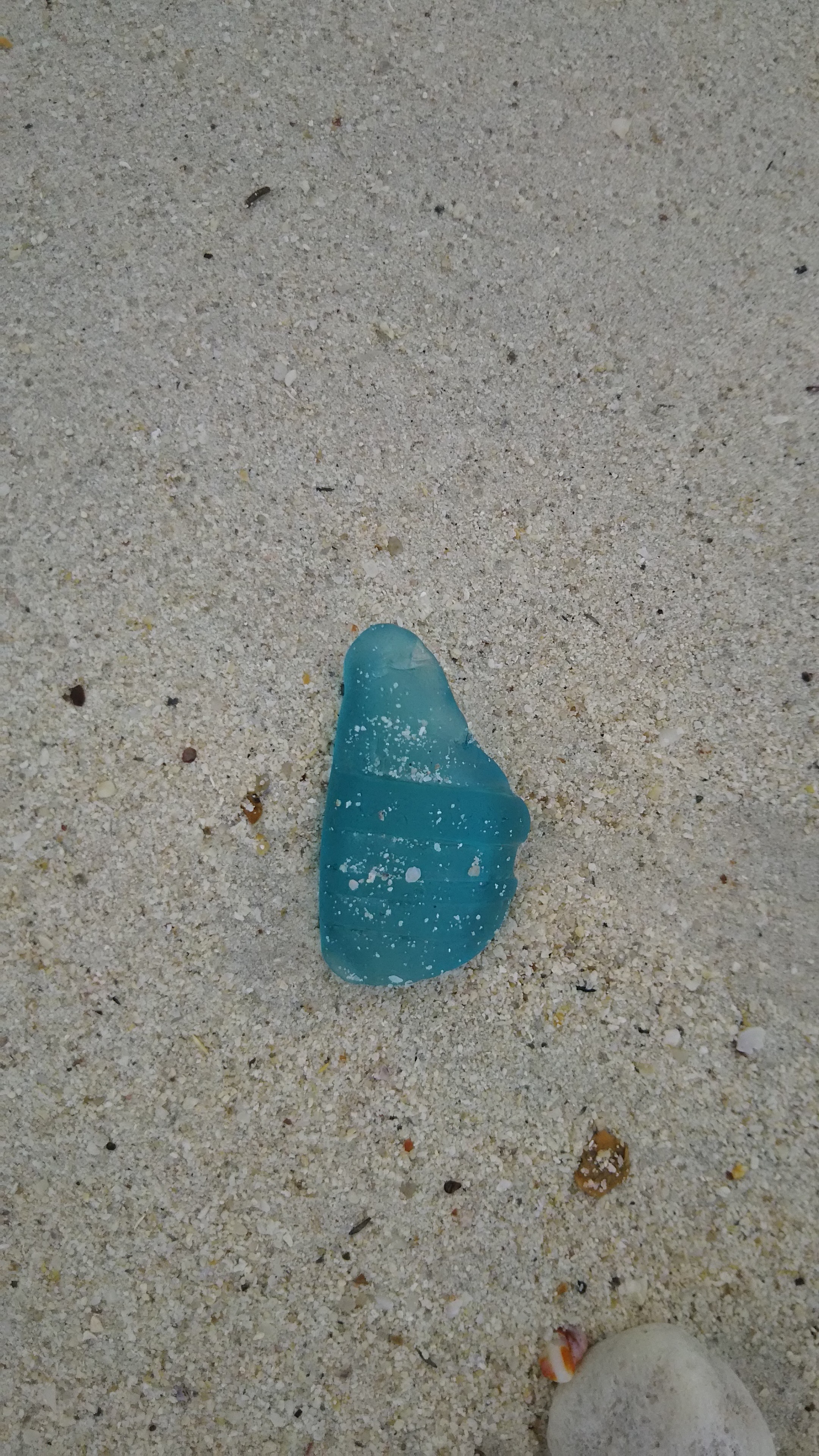
What the ocean did next was slow, stupid, and beautiful. Sixty years of winter storms battered the debris against the Franciscan Complex bedrock. Metal rusted into the reef. Ceramics broke, then broke smaller, then disappeared. Everything organic rotted. Plastic — mostly — got picked out by volunteers across multiple clean-ups. Only the glass, indestructible at the scale of a single human lifetime, kept tumbling. Edges dulled. Surfaces frosted under hydrofluoric attack from calcareous algae and sand abrasion. Shards became pebbles. Pebbles became gems.
The private owner spent five years from 1998 onward working with the California Coastal Conservancy on remediation, and in October 2002, California State Parks bought the 38-acre parcel and folded it into MacKerricher State Park. By then the beach was, improbably, one of the most photographed coastlines on the west coast.