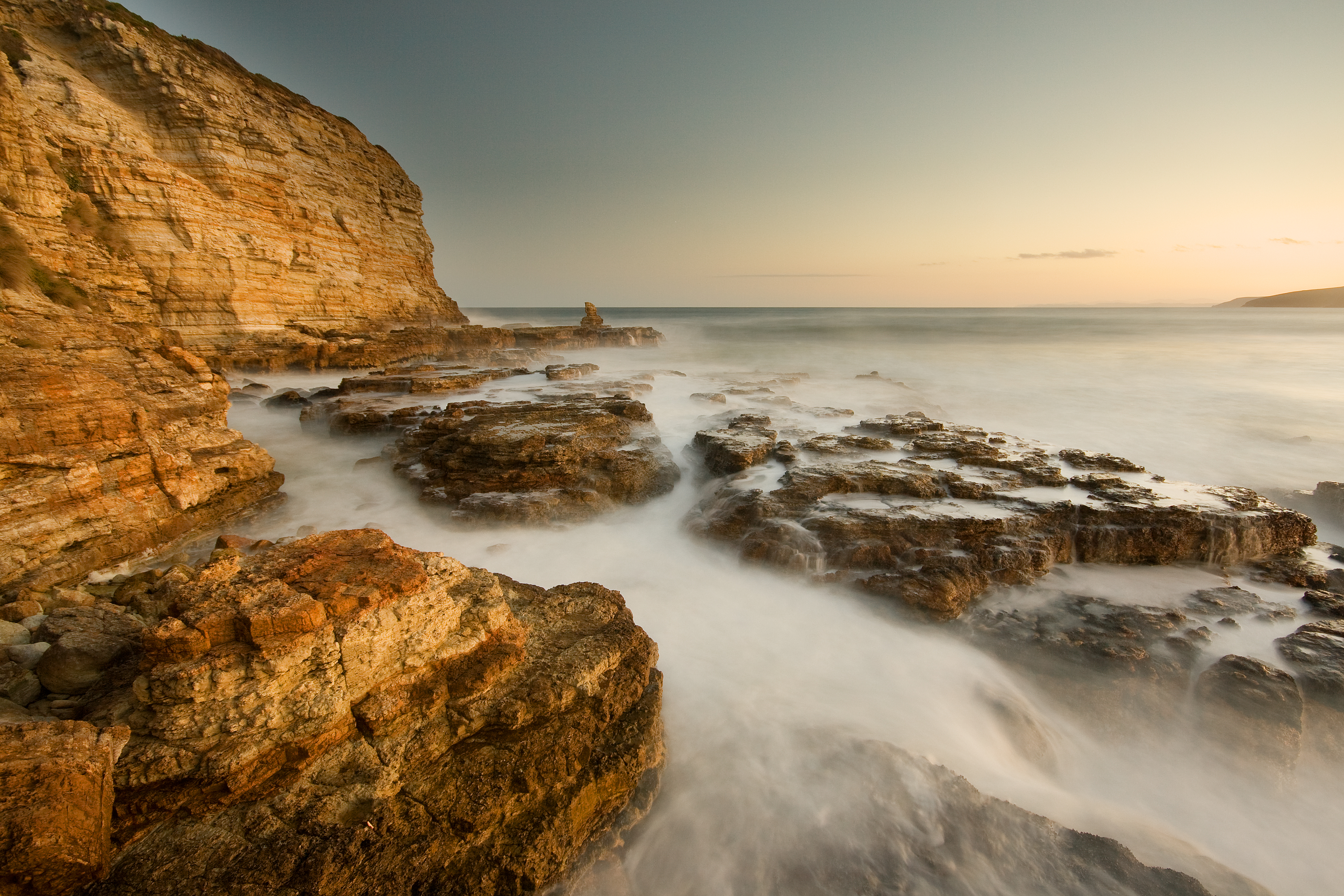
Sindh, PK

Clifton Beach

Clifton Beach 5.jpg

Sindh, PK

Clifton Beach

Locals credit the 8th-century Sufi shrine on the bluff with steering cyclones away from Karachi; militants bombed it in 2010, killing at least seven.

Clifton Beach 5.jpg · <a href="//commons.wikimedia.org/wiki/User:JJ_Harrison" title="User:JJ Harrison">JJ Harrison</a> (<a rel="nofollow" class="external free" href="https://www.jjharrison.com.au/">https://www.jjharrison.c · CC BY-SA 3.0
Nearest airport
KHI · 19 km
I’m here for
Story

Clifton Beach, known locally as Sea View, is a public stretch of Arabian Sea shoreline on Karachi's southern edge, about 14.6 km from the city center and 18.6 km from Jinnah International Airport. It is the largest public beach serving a metropolitan area of more than 20.3 million people, per Pakistan's 2023 census. On a weekend evening, families, camel and horse handlers, kite flyers, and food vendors fill the sand between the Clifton Bridge and the DHA Phase 8 shoreline. It is not a resort beach. It is Karachi's working civic beach, and it looks like it.

Above the western end of the sand, on a low sandy hill about 25 meters over the sea, sits the shrine of Abdullah Shah Ghazi, a Sufi mystic who by tradition died around 773 CE and was buried on the hill above what was then open coast. Karachi has long credited the saint's presence with turning cyclones away from the city, and the belief has hardened with each near-miss: Cyclone Phet swerved away in 2010, Nilofar in 2014, Tauktae in 2021, and Biparjoy in 2023, each one forecast toward Karachi before bending off course late. Meteorologists point to wind shear and sea-surface temperature patterns over the northern Arabian Sea, not a grave, for why Karachi keeps dodging direct hits. The story has outlived the explanation.

The belief has a body count attached in the other direction. On the evening of 7 October 2010, two suicide bombers detonated minutes apart at the shrine's entrance and inside its compound, killing at least seven people and wounding more than sixty. No group claimed the attack, but it fit a pattern of assaults on Sufi shrines across Pakistan by militants who regard saint veneration as un-Islamic. A saint Karachi credits with holding back the sea was attacked at his own grave by men who objected to the credit.

The built landmarks nearby are colonial and civic rather than religious: the Jehangir Kothari Parade, a stone promenade and pier funded by Parsi philanthropist Jehangir Hormasji Kothari, opened in stages between 1919 and 1921, and Funland, an amusement park the Karachi Metropolitan Corporation opened beside the shrine in 1965 and later lost most of to a 2005-2007 park redevelopment.

The rougher edges are documented, not rumored: at least 21 people drowned at Clifton alone on 30 July 2014 despite a bathing ban the crowds ignored, Karachi treats only a fraction of its daily wastewater before the rest reaches this sea, and in 2022 the local Cantonment Board briefly banned the beach's camel and horse rides. Clifton is a free, crowded, working shoreline for a city of more than 20 million, presided over by a grave on a hill Karachi has decided, against the record, kept the water out.

The spike

Locals credit the 8th-century Sufi shrine on the bluff with steering cyclones away from Karachi; militants bombed it in 2010, killing at least seven.

The claim, stated plainly, sounds like folklore and nothing more: an 8th-century Sufi saint buried on a hill above Karachi's biggest public beach keeps cyclones away from the city. Stated in context, it is one of the more revealing facts about how a coastal megacity of more than 20 million people has made sense of its own unlikely safety, and about what happens when that belief collides with people who consider it heretical.

The saint and the hill. Abdullah Shah Ghazi was a Muslim mystic, by most traditional accounts a descendant of the Prophet's family, who traveled to Sindh in the 8th century and died there, conventionally dated to around 773 CE. He was buried on a rocky rise at what is now Clifton, a low sandy hill about 25 meters above the sea. For centuries the grave was, by the accounts of people who photographed it in the late 1940s and early 1950s, little more than a shaky hut on a sandy hilltop. It grew into one of Karachi's largest Sufi shrines through expansions under the Ayub Khan government in the mid-1960s and again under Zulfikar Ali Bhutto's government in the 1970s, before falling into neglect and petty crime during the Zia-ul-Haq years, then being rebuilt again in a 2005–2007 renovation tied to the redevelopment of the Clifton waterfront around it.

Why the belief has staying power. Pakistan's Arabian Sea coast is not free of cyclones — the World Beach Tour's own storm-track data records two tropical cyclones passing close enough to Clifton Beach to matter in the last 50 years, peaking at Category 2 — but it is a genuinely low count for a coastal city on a warm, cyclone-capable sea, and Karachi has been repeatedly forecast to take a direct hit by storms that then swerved late. Cyclone Phet turned away in 2010, Nilofar in 2014, Tauktae in 2021, and Biparjoy in 2023 — four storms in thirteen years, each one tracked toward Karachi by forecasters before bending off course in the final stretch, and each one folded into the same story: the saint turned it. Meteorologists point to wind shear and sea-surface temperature gradients over the northern Arabian Sea, not a grave, for why Karachi keeps dodging direct hits that have devastated other stretches of the same coast. The belief predates the recent run of storms, too. Journalist Salman Rashid documented a 1987 episode in which a rumored tsunami threat to Karachi circulated and was, in local telling, turned away by the same saint — "once again Abdullah Shah Ghazi had saved Karachi," as the story was told at the time — though no independent seismological or tidal record confirms a tsunami actually threatened the coast that year. No credible meteorological or oceanographic account attributes any of these outcomes to a grave. The story persists anyway, because a city that has watched storms flatten other coastlines nearby wanted an explanation it could stand in front of, and the shrine on the hill was already there.

The attack that argues against itself. On the evening of Thursday, 7 October 2010 — a Thursday being the shrine's busiest night of the week for visitors — two bombs went off minutes apart, one at the entrance and one inside the compound, killing at least seven people and wounding more than sixty. Militant groups that had attacked other Sufi shrines in Pakistan in the same period regarded devotional practices like this one, treating a saint's grave as a source of protection or intercession, as a corruption of Islamic monotheism worth destroying by force. No group claimed the Clifton bombing by name, but it fit that pattern exactly. The result was a direct, violent argument against the folklore staged at the folklore's own address: if the saint protects Karachi, the attack asked, why not himself. The shrine reopened to the public; the belief in its protective power, by most accounts of visitors in the years since, did not measurably weaken.

What the spike actually explains. Clifton Beach is Karachi's largest and most heavily used public shoreline, a genuinely unglamorous civic space with real pollution, a real drowning toll, and a real ban-and-reversal fight over the camel and horse rides that are part of its character. None of that is softened by the shrine on the hill. What the shrine adds is the interpretive layer the city has built over its own geography: a specific, recurring, still-contested story about why storm after storm has veered away from this sand over the past two decades, told by a city that has watched cyclones devastate other coastlines nearby, and that buried seven more people at the saint's own door in the middle of that same run of storms. The folklore is not evidence of anything about the sea. It is evidence of what a city does with an unexplained mercy — it puts a name and an address on it, and then it keeps arguing about whether that was ever the right name.

Do Darya karachi.jpg
Culture

Where it shows up

Literature
  • Kartography · 2002
    Kamila Shamsie

    Shamsie's Karachi novel, in which the city's geography and class divides structure the plot; the Clifton Bridge as a marker of the city's right-side/wrong-side class geography appears elsewhere in Shamsie's Karachi fiction, notably in Salt and Saffron (2000).

History
  • The cyclone-steering folklore

    Karachi's enduring belief that the Abdullah Shah Ghazi shrine's spiritual power steers cyclones away from the city, credited with the late swerves of storms including Phet (2010), Nilofar (2014), Tauktae (2021), and Biparjoy (2023), despite meteorologists pointing to wind shear and sea-surface temperature patterns instead.

  • 2010 shrine bombing as anti-Sufi violence · 2010

    The attack on the shrine fit a broader pattern of militant attacks on Sufi shrines across Pakistan in this period, framing saint veneration itself as the target.

Other
  • Funland's rides and its lost aquarium · 1965

    Funland, opened beside the shrine in 1965 with rides that included dodgem cars, lost its aquarium (Machli Ghar) and bowling alley for good when Bagh Ibn-i-Qasim was built around it in 2005-2007, a small but specific marker of Clifton's role in Karachi's mid-century leisure culture.

Arabian Sea in Karachi.jpg
History

What happened here

  1. 773founding

    Abdullah Shah Ghazi's traditional death and burial

    The Sufi mystic Abdullah Shah Ghazi, who had traveled to Sindh in the 8th century, dies around 773 CE and is buried on the hill above what is now Clifton Beach, the origin point of the shrine and its later folklore.

    Wikipedia →
  2. 1919founding

    Kothari Parade foundation stone laid

    Sir George Lloyd, Governor of Bombay, lays the foundation stone for the Jehangir Kothari Parade at Clifton, funded by Parsi philanthropist Jehangir Hormasji Kothari at a cost of roughly 300,000 British Indian rupees; the pavilion opens in January 1920 and the Lady Lloyd Pier in March 1921.

    Wikipedia →
  3. 1965founding

    Funland amusement park opens beside the shrine

    The Karachi Metropolitan Corporation opens Funland next to the Abdullah Shah Ghazi shrine, with rides that include dodgem cars; it operates for decades as a major family attraction.

  4. 1987natural

    Rumored tsunami threat feeds the shrine's folk reputation

    A rumored tsunami threat to Karachi circulates locally, and in local telling the Abdullah Shah Ghazi shrine turns it away — 'once again Abdullah Shah Ghazi had saved Karachi,' as the episode was later recounted; no independent seismological or tidal record confirms a tsunami actually threatened the coast that year.

  5. 2004natural

    Indian Ocean tsunami spares Karachi's coast

    The 26 December 2004 Indian Ocean tsunami kills roughly 230,000 people around the ocean rim but leaves Karachi's coastline untouched, an outcome oceanographers attribute to the Arabian Sea's shelf geometry and the angle of the coast relative to the rupture zone off Sumatra.

    Wikipedia →
  6. 2007policy

    Bagh Ibn-i-Qasim renovation completed

    A 2005-2007 city renovation rebuilds the Kothari Parade and constructs the 130-acre Bagh Ibn-i-Qasim park around it, shrinking Funland's footprint and destroying its aquarium and bowling alley for good.

    Wikipedia →
  7. 2010conflict

    Twin suicide bombings at the shrine

    Two suicide bombers strike the Abdullah Shah Ghazi shrine on the evening of 7 October, one at the entrance and one inside the compound, killing at least seven people and wounding more than sixty during the shrine's busiest weekly visiting period.

  8. 2014disaster

    21 drown at Clifton on Eid

    On 30 July 2014, the second day of Eidul Fitr, at least 21 people drown at Clifton Beach (23 across Clifton and Hawksbay combined) despite an official Section 144 bathing ban, with roughly 150,000 visitors on Karachi's beaches that day and only a handful of rescuers covering the coastline.

  9. 2022policy

    Camel and horse rides banned, then quietly restored

    The Cantonment Board Clifton bans camel and horse rides at Seaview after an overcharging incident involving a foreign visitor, displacing roughly 100 camels and their handlers; rides gradually resume in the years that follow and remain available as of 2026.

The honest part
“A saint Karachi credits with holding back the sea was bombed at his own grave in 2010, on an ordinary Thursday evening, by people who considered the belief itself an offense.”

The uncomfortable part of Clifton Beach is not the folklore; it is what the folklore sits on top of. Karachi generates about 472 million gallons of wastewater a day and treats roughly 55 million gallons of it before the rest reaches the Arabian Sea through the Lyari and Malir rivers, and Clifton's water quality is worse in winter, when currents carry Gizri Creek's runoff onto the same sand where families picnic. On 30 July 2014, the second day of Eid, at least 21 people drowned at Clifton Beach alone, out of roughly 150,000 visitors on Karachi's beaches that day, despite an official Section 144 ban on bathing that the crowds simply ignored, and with only a handful of rescue personnel covering some 130 kilometers of coastline. The beach has no consistent lifeguard presence.

The shrine's own record complicates the comfort of the legend built around it. A saint locals credit with turning away cyclones was bombed at his own grave in 2010 by people who considered the belief itself an offense, killing at least seven worshippers on what should have been an ordinary Thursday evening. And the beach's most visible working-class presence, the roughly 100 camel and horse handlers who make a living giving rides on the sand, were pushed off it in 2022 by a Cantonment Board ban imposed after a handful of tourists were overcharged, with individual owners reporting debts over 40,000 rupees before rides quietly resumed. Clifton Beach is free, public, and genuinely loved by the city that uses it. It is also polluted, underprotected, and has been fought over, argued over, and bombed.

Clifton Beach Karachi.JPG
Anatomy

The shape of the place

Kothari Parade & Bagh Ibn-i-Qasim

15%

The 1919-1921 colonial-era stone promenade and Lady Lloyd Pier, now anchoring a 130-acre park rebuilt in 2005-2007, at the western end of the beach.

Best for History, quieter walks, elevated sea views

Cost roughly 300,000 British Indian rupees when built; donated by Parsi philanthropist Jehangir Kothari.

Abdullah Shah Ghazi shrine bluff

20%

A low sandy hill about 25 meters above the sea, topped by the blue-domed shrine of the 8th-century Sufi saint Karachi credits with steering cyclones away from the city.

Best for Culture, history, the view over the beach

Site of a twin suicide bombing on 7 October 2010 that killed at least seven; security screening in place since.

Sea View — the main public beach

50%

The main sandy stretch, Clifton's default beach experience: camel and horse handlers, food vendors, kite flyers, and weekend crowds on wide brown sand facing the Arabian Sea.

Best for Family outings, sunset watching, camel and horse rides

Site of at least 21 drownings on 30 July 2014; no consistent lifeguard presence.

Do Darya dining strip

85%

An open-air restaurant row on the DHA Phase 8 shoreline east of the main beach, named 'Two Seas' for the water on both sides of the spit.

Best for Seafood dining, evening outings

Developed from a barren, crime-associated stretch into Karachi's best-known waterfront dining strip.

Landmarks

Jehangir Kothari Parade & Lady Lloyd Pier · 1919

promenade

A stone promenade and elevated pier donated by Parsi philanthropist Jehangir Hormasji Kothari; foundation laid February 1919, pavilion opened January 1920, pier opened March 1921, at a reported cost of about 300,000 British Indian rupees.

Wikipedia →

Shrine of Abdullah Shah Ghazi

shrine

The tomb of an 8th-century Sufi mystic on a low sandy hill about 25 meters above the sea, one of Karachi's largest Sufi shrines and the center of local folklore crediting the saint with steering cyclones away from the city; bombed in 2010.

Wikipedia →

Funland (Jabees Funland) · 1965

amusement park

Opened by the Karachi Metropolitan Corporation next to the shrine in 1965 with rides that included dodgem cars; lost its aquarium (Machli Ghar), bowling alley, and most of its footprint when Bagh Ibn-i-Qasim was built around it in 2005-2007.

A day here

From first light to dark

Dawn

Early morning is the calmest window: joggers and a scattering of fishermen have the sand before the heat, and camel and horse handlers walk their animals down to the water to start the day before the crowds arrive.

Midday

Midday empties out. Karachi's heat and glare push most visitors off the open sand toward the shade of the Kothari Parade pavilion or the shrine's covered courtyard; water quality and crowding are both at their least manageable.

Golden hour

Late afternoon into sunset is when Clifton fills — families arrive after the worst heat breaks, kite flyers take the onshore breeze, and vendors sell chai and snacks along the promenade as the light drops over the Arabian Sea.

Night

After dark the open beach thins to young men and groups rather than families, security presence increases near the shrine (checked since the 2010 bombing), and the Do Darya restaurant strip to the east stays lit and busy well past the beach's own quiet hours.

Seaview (Clifton Beach) Karachi.jpg
Sea & surf

What the water does

JFMAMJJASONDmetres (significant wave height)

Solid = typical monthly wave height; pale = the bigger days (90th pct). Offshore/regional swell from Open-Meteo Marine (ERA5 Ocean reanalysis, 2023–2024); a sheltered cove may sit calmer than this.

Exposed — real surf, and rip current to respect
Typical wave height
1.2 m
Biggest swell
Jul · 2.61 m
Calmest
Dec · 0.49 m
Typical period
10.1 s (groundswell)
Before you go

Things to know

Swimming is genuinely risky

Rip currents and undertow are documented hazards; authorities have imposed bathing bans during rough-sea periods that crowds routinely ignore, including before the 21 drownings of 30 July 2014. There is no consistent lifeguard presence.

Water quality varies and can be bad

Karachi discharges most of its roughly 472 million gallons of daily wastewater into the sea largely untreated; Clifton's water is worst in winter, when currents push Gizri Creek runoff onto the beach.

Camel and horse rides require bargaining

Rides run roughly PKR 200-500; agree on price and duration before mounting. The rides were briefly banned in 2022 after an overcharging dispute and have since continued on an inconsistent regulatory footing.

The shrine has visible security

Entry to the Abdullah Shah Ghazi shrine involves security screening, a legacy of the 2010 bombing; the shrine and its courtyard remain open to visitors of all faiths.

Surf & rip

Powerful water — strongest around Jul, gentlest in Dec. Mind rip currents; this isn't a wade-in-anywhere beach.

Sharks

No incidents on record in the global shark-attack file.

Plan

If you go

Getting there
Nearest airport
Jinnah International Airport (KHI) · 19 km
Nearest town
Karachi · 15 km

Clifton Beach sits about 14.6 km from central Karachi and 18.6 km from Jinnah International Airport (KHI); the drive from the airport typically takes 30-45 minutes depending on traffic. Entry to the beach itself is free and open at several points along Sea View, near the Kothari Parade, and near Do Darya; parking is available but informal near most entrances.

When to go
  • Urs of Abdullah Shah Ghazi · Annually, 20th-22nd of Zul-Hijjah (Islamic lunar calendar)

    The annual commemoration of the saint's death draws large crowds of devotees to the shrine above the beach, the shrine's biggest recurring event.

  • New Year's Eve gathering · 31 December, evening

    Clifton Beach draws large crowds for New Year's Eve, one of the beach's most heavily attended nights of the year.

  • Pakistan Air Force aerobatic displays · National holidays (e.g. 23 March, 14 August)

    The PAF has staged aerobatic shows over the Clifton coastline on national holidays, drawing beachfront crowds to watch.

What to eat & drink
Open-air seafood grills

Do Darya, the restaurant strip on the DHA Phase 8 stretch east of the main beach, is Karachi's best-known open-air seafood destination, grilling fresh fish and shrimp at informal, negotiable prices.

Do Darya, DHA Phase VIII, east of Clifton Beach

Street chaat, biryani, and kebabs

Vendors along the Sea View promenade sell Karachi street-food staples — chaat, biryani, and grilled kebabs — to the evening crowds; quality and hygiene vary by stall.

Sea View promenade, Clifton Beach

Chai and snack kiosks

Small kiosks along the beachfront sell tea and packaged snacks; this, not a sit-down meal, is the default beach food for most visitors.

Along the Clifton Beach sand and promenade

Fast food outlets

A McDonald's operates near the beach entrance alongside several other chain and independent restaurants serving the Clifton crowd.

Near the main Clifton Beach / Sea View entrance

Sources & references
  1. Wikipedia: Jehangir Kothari Parade · cited 2×
  2. Al Jazeera, 'Blasts rock Karachi shrine' · cited 2×
  3. Wikipedia: Abdullah Shah Ghazi; Dawn.com
  4. The Karachi Walla, 'City Landmarks – Jabees Funland'
  5. Salman Rashid, 'As Ghazi looks on', The News on Sunday, 9 Nov 2014
  6. Wikipedia: 2004 Indian Ocean earthquake and tsunami
  7. Wikipedia: Jehangir Kothari Parade; The Karachi Walla
  8. Dawn.com, 'Bodies of 23 drowning victims recovered from Karachi beaches'
  9. Dawn.com, 'Camels, horses leave Seaview with memories, footprints behind'
  10. Wikidata Q5133180
  11. World Beach Tour beach data
  12. SRTM 30m elevation model, World Beach Tour geodata (24.8127, 67.0330)
  13. Dawn.com, 'Bodies of 23 drowning victims recovered'
  14. Express Tribune / Aaj English TV reporting
  15. Open-Meteo Marine (ERA5), World Beach Tour data
Colophon · Provenance

Where this page comes from

Geography, facilities
OpenStreetMap (ODbL) for geometry and facility tags within 500 m of the beach centroid. GeoNames for city/airport distances.
Climate & ocean
Open-Meteo ERA5 + Marine archive, 2014–2023 monthly normals.
Photography
Archival, original tone (Tier B — Wikimedia Commons). Each image licensed per its own terms; attribution visible inline.
History & culture
Every factual claim is linked to its source in the prose above. Wikipedia citations inline. Non-wiki sources named where relevant.
Editorial voice
Register: severe. Written to pass a local's nod test; corrections welcome.
Written by Erin Rose
Last reviewed 2026-04-19
v0.9 — in editorial development toward v1.0