HALEIWA
Haleʻiwa
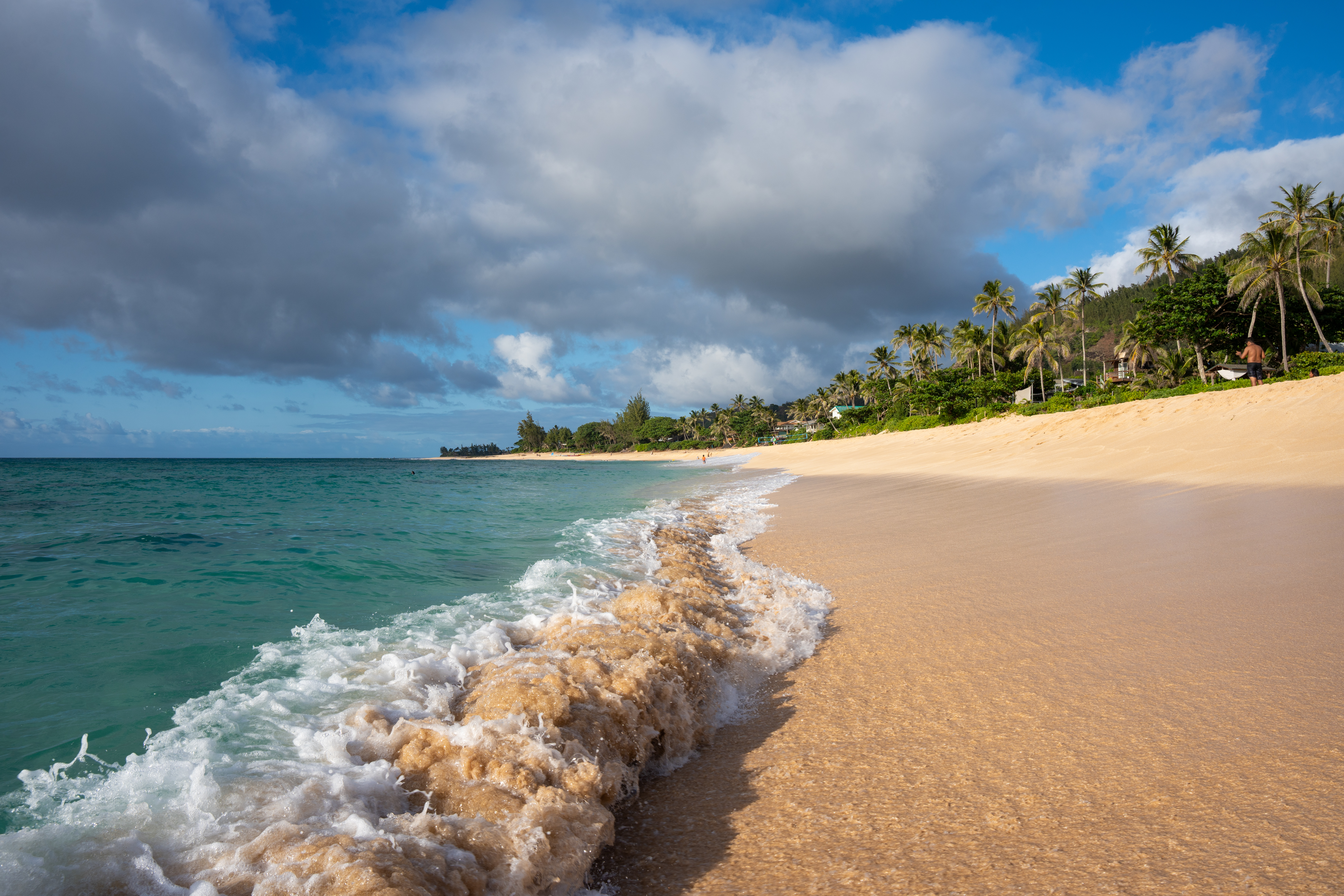
The historic North Shore town at the western end of the 7-Mile Miracle. Matsumoto Shave Ice (1951), Ted's Bakery, Haleʻiwa Farmers Market. A working small town; where North Shore locals actually live and shop. Start here.
Hawaiʻi, US
The wave elite surfing's reputations are made and broken on. More surfers have died here than at any other contest break on Earth.
Pipeline is a wave that breaks over a shallow reef approximately 100 meters offshore of Ehukai Beach Park on Oʻahu's North Shore, a 35-mile drive from Waikīkī. It is the single most-photographed wave in the history of surfing. It is also the single most-deadly: more elite surfers have died here than at any other competitive break, and the most recent deaths — in 2021, 2023, and 2024 — are within living memory.
The wave is produced by a specific bathymetric accident. A finger of coral reef rises from a depth of roughly 40 meters to within 3 meters of the surface at the break. Atlantic-winter-equivalent North Pacific swells — generated by storms in the Aleutians and Gulf of Alaska — meet this shallow reef at an oblique angle, compress, and fold into hollow, perfectly-geometric left-breaking barrels from November through February. On the right days the barrel is large enough, clean enough, and long enough to hold a surfer inside it for a full three to six seconds — which in competitive surfing is an eternity. On the wrong days the same wave snaps boards, throws surfers into the reef, and produces the kind of injuries that end careers.
Pipeline is the competitive proving ground. Every elite professional surfer in the world — on the World Surf League Championship Tour, on the big-wave circuit, on the free-surf side — has had to measure themselves against this break. The Pipe Masters contest, held annually since 1971 under various sponsor names (Hang Ten, Gotcha, Billabong, Vans, and now the Lexus Pipe Pro), is the season-opener of the WSL Championship Tour and carries disproportionate career weight. Winning a Pipe Masters is a credential that attaches to a surfer's name for the rest of their life.
The surrounding neighborhood — Pūpūkea — is a small residential community of roughly 4,000 people, most of whom have some relationship to the sport. The Volcom House directly fronting Pipeline is a private residence that has become, informally, the single most-photographed house in surfing. The beach itself — Ehukai — is unremarkable as a beach when the surf is flat. What makes Pipeline famous is 100 meters offshore.
Pipeline's wave is not generically 'big' or generically 'hollow.' It has a specific geometry that derives from a specific piece of coral, which rises from deep water in a specific way. Understanding the mechanism is understanding why the break matters.
The bottom under Pipeline is coral reef — not sand. A finger of reef, oriented roughly perpendicular to the shore, rises from a depth of approximately 40 meters offshore to within 3 meters of the surface at the break. This geometry is what produces the wave's signature shape. Unlike a sand-bottom beach break (Supertubos in Peniche, for example) whose bathymetry shifts seasonally, Pipeline's reef is fixed. The wave that broke over this reef in 1971 is the wave that breaks over it in 2026 — same peak position, same angle, same length of ride.
There are in fact three named reef sections at Pipeline, each breaking at different swell sizes:
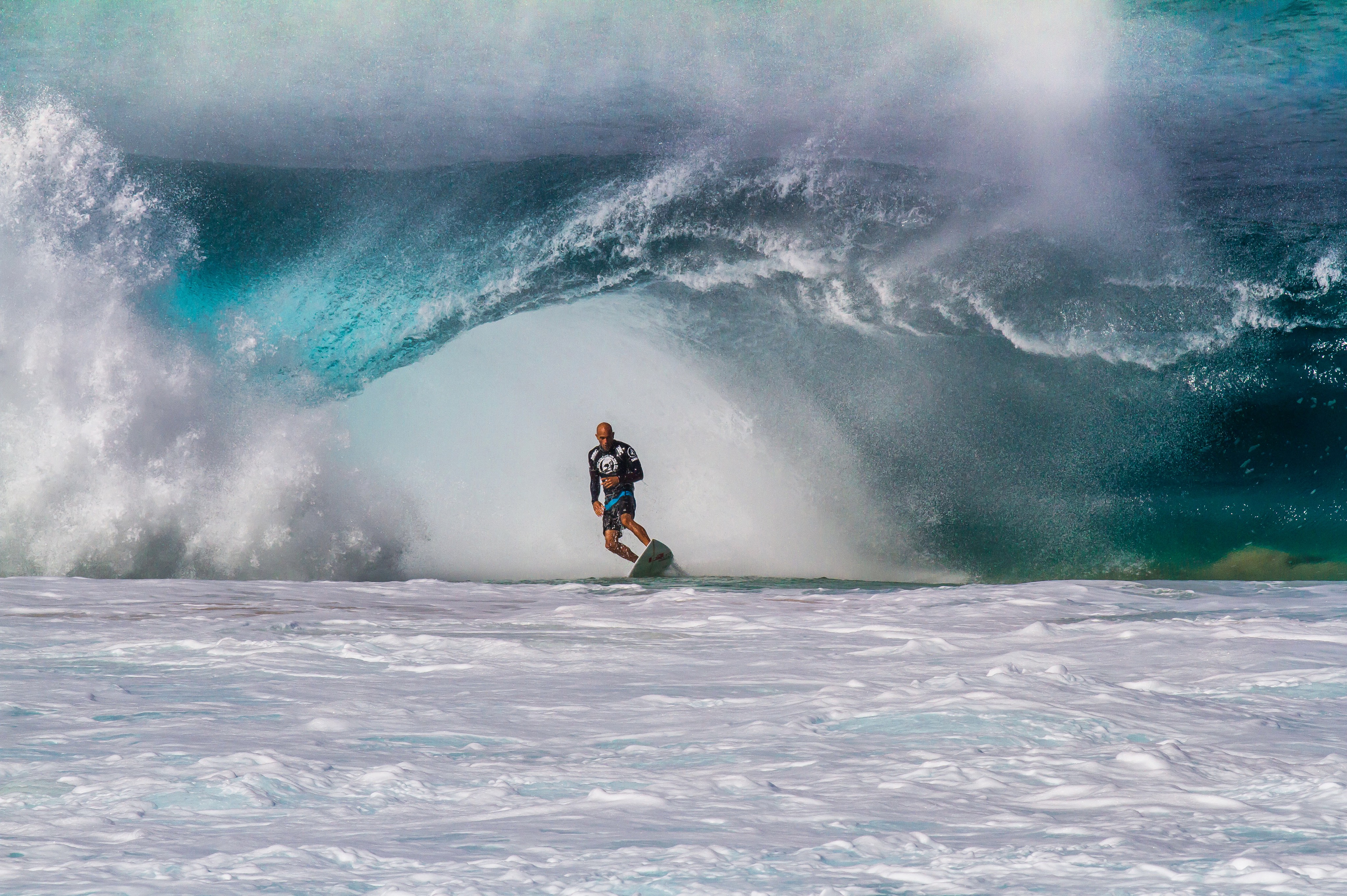
A Pacific groundswell arriving at Pipeline encounters the reef finger obliquely. The shallow bottom forces the wave to compress vertically — water displaced from the wave trough must rise into the wave face — while the reef's orientation causes the wave to peel left along the reef's edge. The combination produces Pipeline's distinctive mechanics:
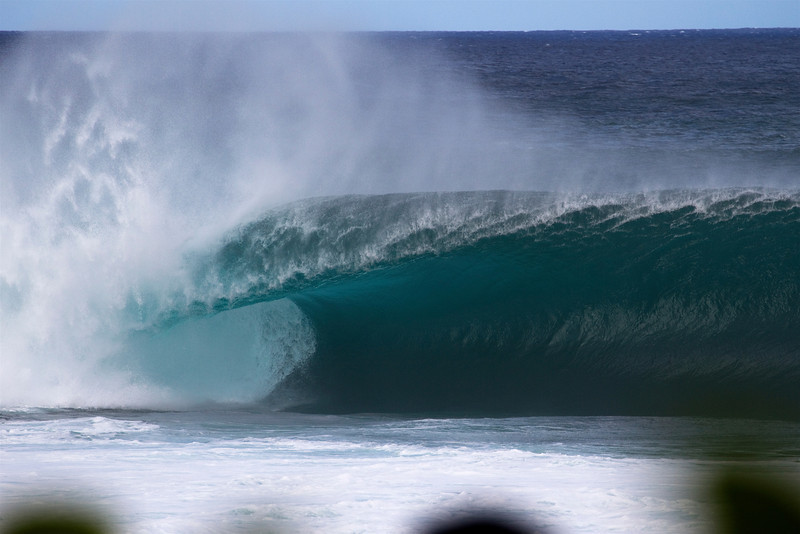
Pipeline proper breaks left — the wave peels toward the north, and a regular-footed surfer (right foot back) rides it backside while a goofy-footed surfer (left foot back) rides it frontside. Two adjacent breaks extend the same reef-and-swell system:
A surfer at Pipeline on a good day is negotiating three distinct waves on the same stretch of reef. Reading the lineup — which peak will break where, which direction to take off — is a skill that takes years to acquire.
Since 1971, the Pipe Masters has been held at Pipeline every December. Under various sponsor names — Hang Ten, Gotcha, Billabong, Vans, Lexus — the contest has remained the season-opener of the WSL Championship Tour and the single event whose results most shape elite surfing reputations.
The Pipe Masters is a one-stop WSL Championship Tour event held annually at Pipeline, usually in early December, during a waiting period that opens on approximately December 8 and runs up to three weeks. The contest waits for the right swell — typically a North Pacific system producing 2–4 meter waves at First Reef — and then runs heats through the 2–3 days the swell holds. Men's and women's CT events have run in parallel since 2020.
Winning a Pipe Masters is a career-defining credential. The list of champions maps closely onto surfing's all-time greats: Gerry Lopez (1972, 1973 — "Mr Pipeline"), Tom Carroll (1983, 1987, 1991), Derek Ho (1986, 1993 — the first Hawaiian world champion), Sunny Garcia (multiple 90s wins), Kelly Slater (7 times, across two decades — the most in the event's history), Andy Irons (2002, 2003, 2006), John John Florence (Hawaiian-born, Pipe Masters 2014, 2016 — multiple-time world champion), Gabriel Medina (2018, 2021 — Brazilian, multiple-time world champion). The contest's 55-year run is effectively a continuous ranking of elite surfing's generational leaders.
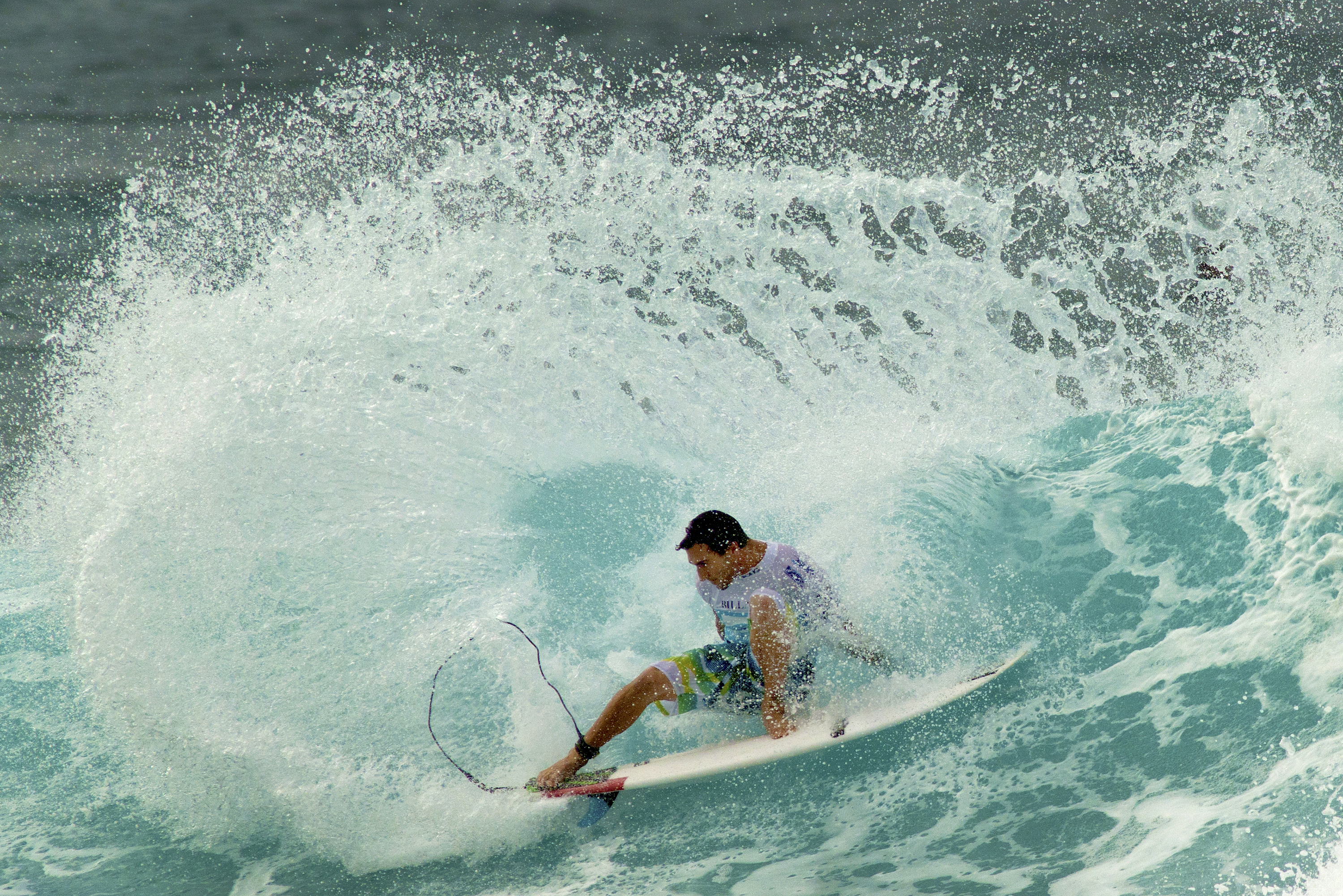
The WSL Championship Tour visits 8–11 breaks per year depending on the season — Trestles, Bells Beach, Margaret River, Teahupoʻo, Jeffreys Bay, Supertubos, Fiji, and others. Pipe Masters carries disproportionate weight among these for four reasons:
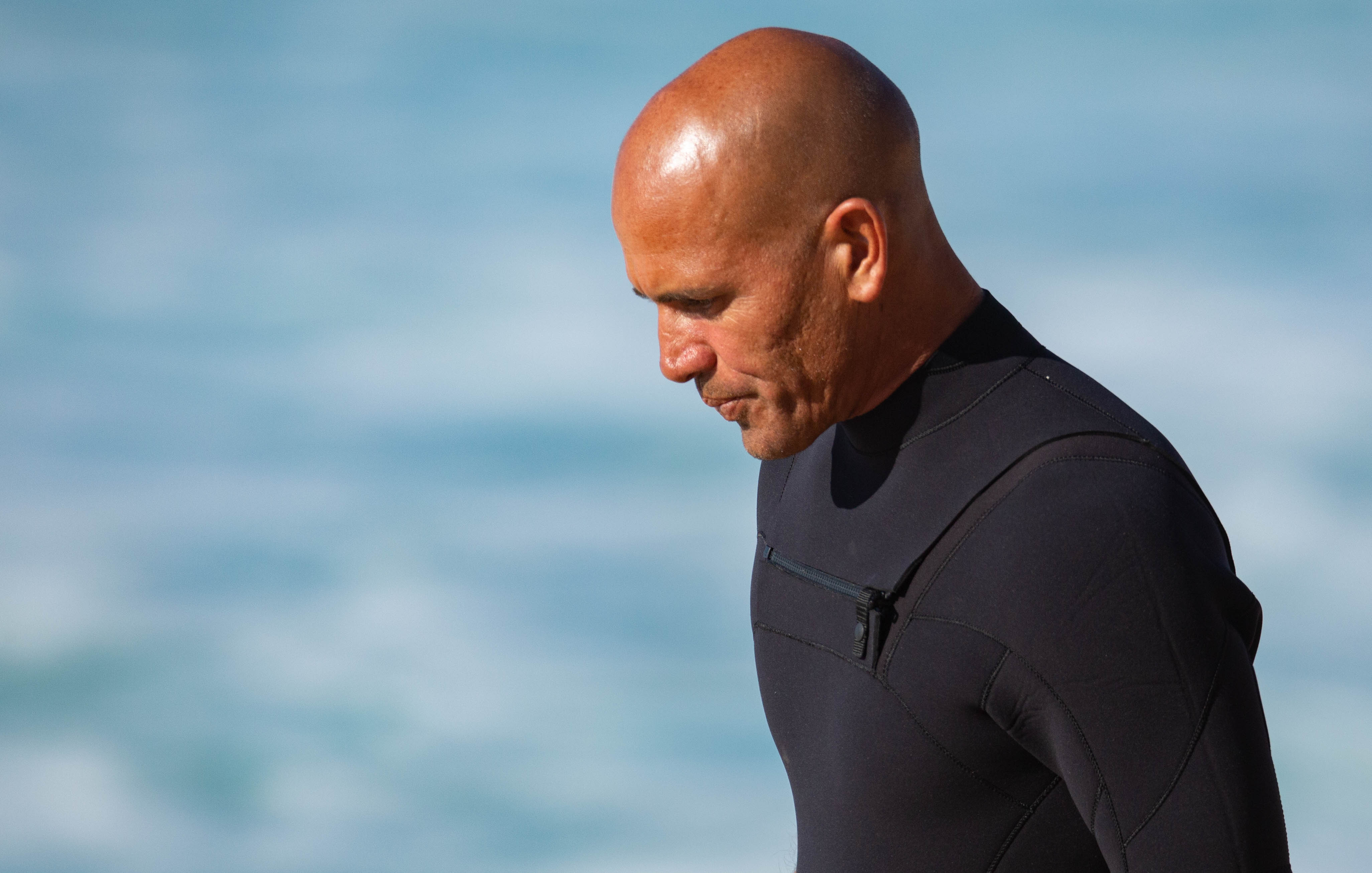
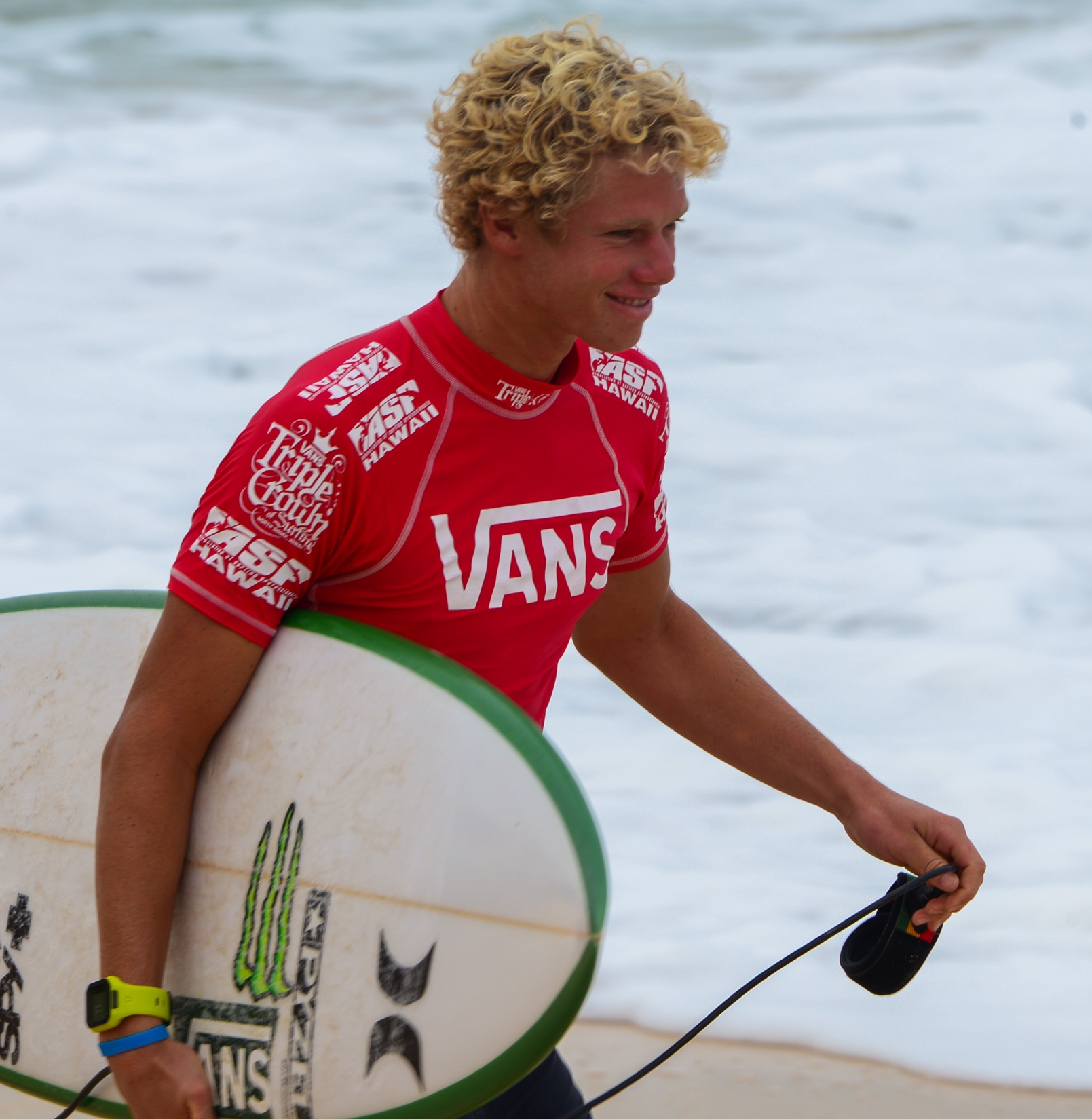
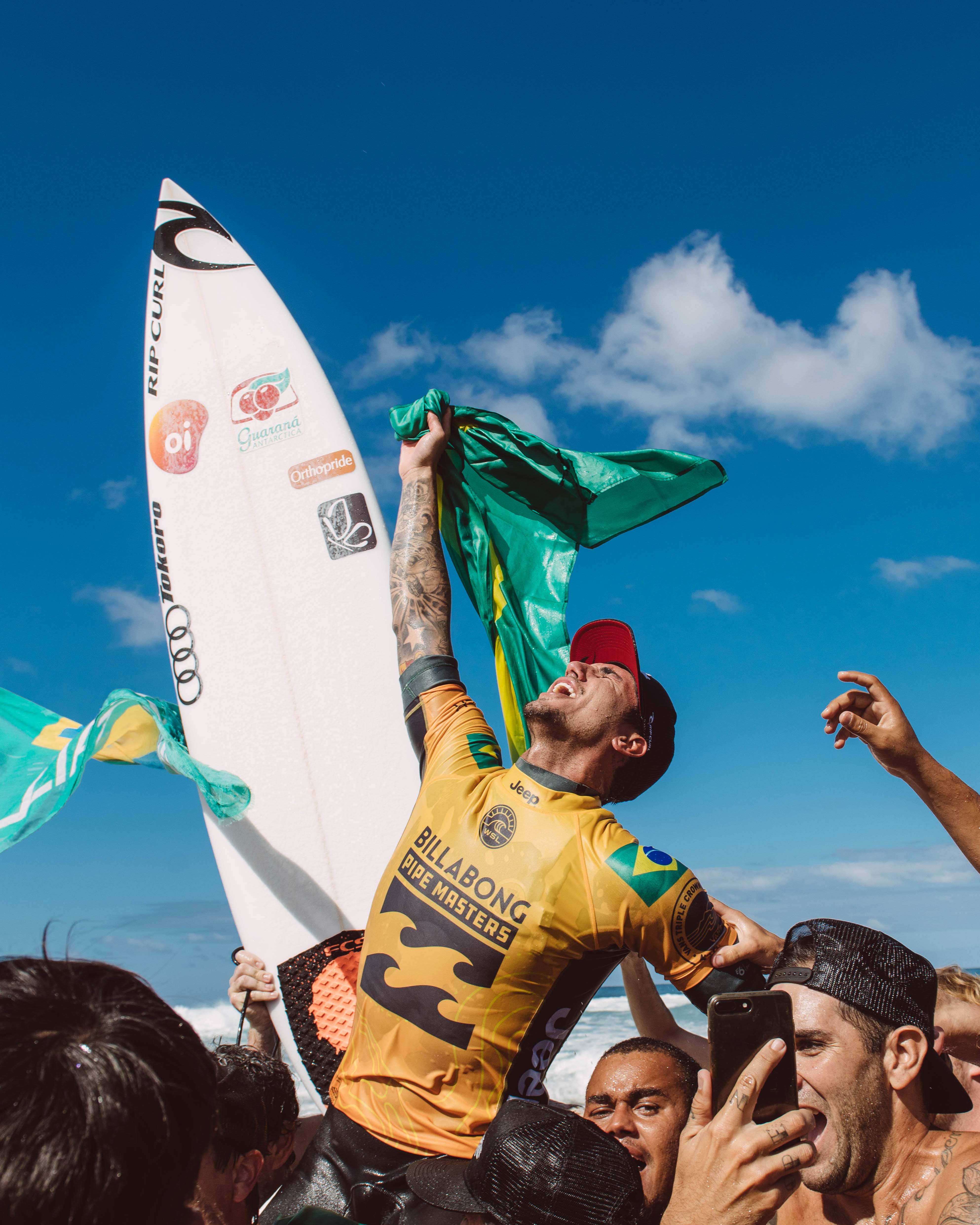
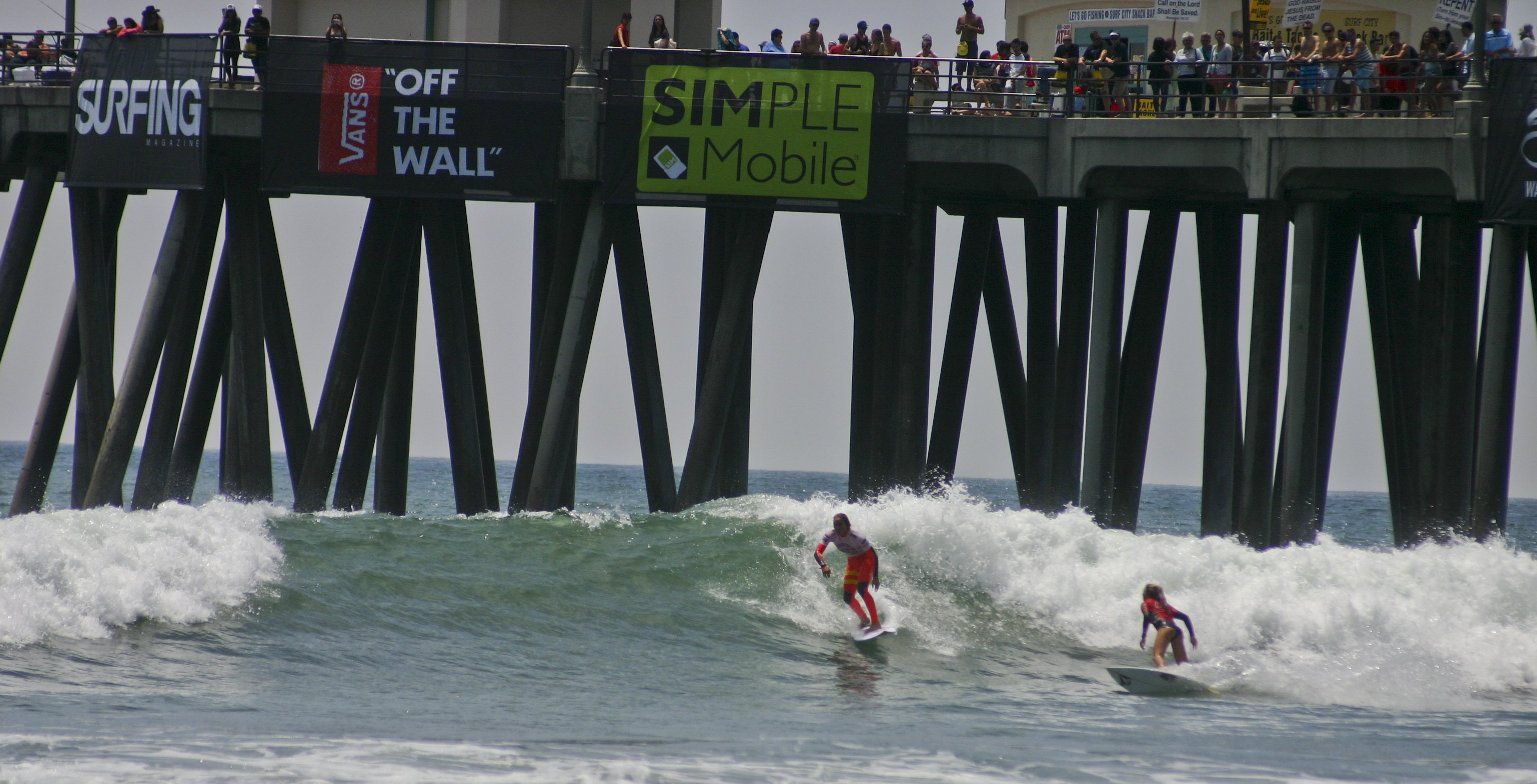
The seven-mile stretch of Oʻahu's North Shore from Haleʻiwa to Turtle Bay holds at least six named surf breaks, each with distinct wave mechanics and each with its own competitive calendar. Pipeline is the most famous; it is not the whole story.
The historic North Shore town at the western end of the 7-Mile Miracle. Matsumoto Shave Ice (1951), Ted's Bakery, Haleʻiwa Farmers Market. A working small town; where North Shore locals actually live and shop. Start here.
A kilometer east of Haleʻiwa. Named for the Hawaiian green sea turtles (honu) that haul out on the sand to bask. Municipal signs mark a 10-meter approach distance; respect the distance. Not a surfing beach — a turtle-watching beach.
The big-wave companion break to Pipeline. Breaks on much larger open-face waves when the swell is 20+ feet. Home of the Eddie Aikau Big Wave Invitational, which only runs on days that satisfy the 20-foot minimum — 10 times since 1985. Summer it is a placid family swimming beach; winter it is Hawaiian big-wave surfing's spiritual home.
The proving-ground wave. The contest break. First Reef, Second Reef, Third Reef. Backdoor breaks right off the same peak. Off-the-Wall is next wave east.
Two miles east of Pipeline. Larger, more open-face wave than Pipeline; different wave mechanics (not a barrel break). Sunset is considered one of the hardest waves in the world to paddle out through during peak season because the shifting peaks make entry timing treacherous. Vans World Cup of Surfing is held here.
The eastern end of the 7-Mile Miracle. The Turtle Bay Resort is the only major hotel on the North Shore and the operational anchor for North Shore surf tourism. Calmer waters, family-swimmable on the protected beach side. The end of the North Shore circuit.
The Pipe Masters contest waiting-period call comes at 6:45 a.m. — whether the heats will run that day or go on hold. The elite surfers are already at the beach doing warmup paddles. The water-safety team — jet-skis, rescue boards, lifeguards — is in position by 6 a.m. On non-contest mornings, the pre-dawn water is claimed by free-surfers; by 7 a.m. the beach has its first spectators setting up camp chairs.
Midday at Pipeline during the contest is a densely-packed spectator event. Five thousand-plus people on the sand on decisive heat days. Sponsor compounds, food trucks, live broadcast crew, celebrity guests. Off-contest midday: the beach is moderately populated with spectators watching free-surf sessions from 20 meters behind the waterline. The waves themselves never pause for the time of day.
The late-afternoon swell on a north-facing beach catches the sun low behind the water, producing the characteristic golden-barrel photography that fills most Pipeline publications. Surfers continue to ride. The contest, if running that day, is usually on a finals-heat schedule by now. The crowds hold.
Pipeline is not a night-surf break. By sunset the water has emptied. The spectators dissipate to Haleʻiwa for dinner; the elite surfers to their North Shore rental houses. Ehukai Beach Park itself empties completely by 9 p.m. The only sound is the wave still breaking 100 meters offshore, audible but invisible.
Legendary Hawaiian surfer Phil Edwards (or, by some accounts, Hawaii-based filmmakers John Severson and Bruce Brown) rides the break for the first documented surfing session. The name 'Banzai Pipeline' is coined shortly after by Bruce Brown — 'Banzai' for the Japanese warrior-cry and 'Pipeline' for the cylindrical barrel shape.
Bruce Brown's canonical 1964 surf documentary features Pipeline footage and makes the break visually legible to an international audience for the first time. The film is credited with catalyzing the 1960s-70s surf-tourism expansion of the North Shore.
Hang Ten sponsors the first Pipe Masters contest. Jeff Hakman wins. The contest has run every year since, under various sponsor names, and has been a WSL Championship Tour stop continuously since the formal WSL structure began in the 1970s.
Eddie Aikau, Native Hawaiian big-wave surfer and longtime North Shore lifeguard, is lost at sea during an attempted rescue during the Hōkūleʻa voyaging canoe's capsize near Molokaʻi. The phrase 'Eddie would go' — referring to his willingness to attempt rescues in conditions other lifeguards refused — becomes the North Shore big-wave ethos. The Eddie Aikau Invitational at Waimea, inaugurated 1985, carries his name.
Kelly Slater wins the Vans Triple Crown of Surfing — Haleʻiwa, Sunset, and Pipe Masters all in the same winter. His fifth Pipe Masters win. Establishes him as the dominant Pipeline surfer of his generation.
Tahitian surfer Malik Joyeux, 25, drowns after being driven into the reef during a free-surf session. The first elite-level fatality at the contest break. His death catalyzes significant improvements in Pipeline water-safety infrastructure, including permanent jet-ski rescue positioning during peak season.
Three-time WSL world champion and three-time Pipe Masters winner Andy Irons dies in a Dallas hotel room at age 32, returning home to Kauaʻi from the 2010 Rip Curl Pro Search Puerto Rico. Cardiac arrest with toxicological factors. The surfing community's multi-year reckoning with the death — and with the mental-health and addiction context it surfaced — is canonically treated in the 2018 documentary Andy Irons: Kissed by God.
Hawaiian-born John John Florence wins his first Pipe Masters, surfing from the family beach house directly fronting the break where he had learned as a child. Wins again 2016. Two-time WSL world champion (2016, 2017). The current generation's canonical local-boy Pipeline surfer.
Tamayo Perry, 49 — Hawaiian-born, 2001 Pipe Masters semi-finalist, longtime North Shore lifeguard, and the canonical Blue Crush (2002) surfing-stunt-double — is killed by a shark at Mālaekahana, 4 miles north of Pipeline. The North Shore holds a paddle-out ceremony that draws several thousand surfers and locals. The most widely-mourned North Shore loss of the decade.
Bruce Brown's The Endless Summer (1964) is the canonical surf documentary. Its Pipeline footage — specifically, footage of Mike Hynson and Robert August riding the reef during the 1963 winter — is among the first widely-distributed images of the break and effectively introduced Pipeline to a global audience. Every subsequent Pipeline film — Morning of the Earth (1971), North Shore (1987), Blue Crush (2002), Riding Giants (2004), and the currently- running HBO series 100 Foot Wave's periodic Pipeline episodes — traces its visual vocabulary to Brown's 1964 work. The Endless Summer is also the film that named the 'Banzai Pipeline' formally; before 1964, the break had no universally-accepted name in surf media.
John Stockwell's Blue Crush (Universal, 2002) — starring Kate Bosworth as a North Shore surfer training for the Pipe Masters — is the most commercially successful Pipeline-based Hollywood production. The film was shot on location at Pipeline and Sunset, using Hawaiian local surfers as stunt doubles (most notably Tamayo Perry, who doubled the surfing sequences and who would go on to become a longtime North Shore lifeguard until his death by shark attack in 2024). Blue Crush's commercial success — approximately $54 million worldwide box office against a $25M budget — is meaningful because it established Pipeline as a mass-audience visual reference in a way earlier surf films (which were genre productions for surf audiences) had not.
The Volcom House — a single-family beach house directly fronting Pipeline, on Ke Nui Road — has been, since the late 1990s, owned and operated by the Volcom surf-apparel brand as a company-sponsored athlete residence. Its lanai is the canonical Pipeline contest-watching location; its interior has hosted every Pipe Masters winner of the last 25 years; it is the single most-photographed private residence in surfing. The Volcom House is the physical anchor of a broader sponsorship economy that the Pipeline attention has generated: Rip Curl, Quiksilver, Billabong, Hurley, Vans, Lexus, and Red Bull all maintain permanent North Shore infrastructure during contest season. Approximately 4,000 people live year-round in the Pūpūkea / Sunset / Pipeline neighborhoods; during December's contest window, temporary population triples. The contest is a cultural event; it is also a specific economic one.
Beyond the WSL-Tour competitor layer, Pipeline has a community of longtime local watermen who are the cultural spine of the break. Among them:
The Da Hui Backdoor Shootout — an invitational contest run annually at Backdoor / Pipeline by the Da Hui (Hui O He'e Nalu) Hawaiian surfer organization, since 1976 — is the local counterpoint to the international WSL-branded Pipe Masters. The Da Hui event is specifically Hawaiian-led: the invitation list is controlled by Hawaiian watermen, entry is free or minimal-cost, broadcasts are local, and the prize structure rewards local-water knowledge. It is the event at which the North Shore's local hierarchy is annually reasserted independent of the global surf industry's branding priorities. If you are at Pipeline in January or February and see a contest running that doesn't look like the WSL Pipe Pro, it is probably the Backdoor Shootout.
Pipeline's reef is unforgiving in a specific way. This section names the surfers the break has taken. It belongs on the page.
Pipeline's deaths are not incidental to the wave; they are a feature of it. Understanding them is part of understanding the break.
More elite competitive surfers have died at Pipeline, or have died with Pipeline as the center of gravity of their careers, than at any other contest break on Earth. The canonical losses:
Malik Joyeux (Tahitian, 25 years old, December 2005) — drowned after being driven into the reef during a free-surf session at Pipeline. His death was the first elite-level fatality at the contest break in the televised era and became a defining moment in big-wave surfing's relationship to Pipeline specifically.
Moto Watanabe (Japanese, 23, December 2007) — drowned after a two-wave hold-down at Pipeline. His body was recovered by Pipeline locals.
Andy Irons (Hawaiian, 32, November 2010) — three-time WSL world champion (2002, 2003, 2004), three-time Pipe Masters winner, lost at age 32 in a Dallas hotel room on his way home to Kauaʻi after competing in Puerto Rico. Official cause of death was cardiac arrest with toxicological factors; the surf community's reckoning with the death — and with the mental-health and addiction issues it surfaced — took most of the following decade. Irons had been Kelly Slater's only serious competitive rival through the mid-2000s. His Pipeline legacy is enormous. The 2018 documentary Andy Irons: Kissed by God is the canonical treatment.
Joaquin Miguel 'Jaoki' Velilla (Puerto Rican, 38, January 2021) — died after a wipeout at Pipeline during a training session; complications included an extended hold-down.
Tamayo Perry (Hawaiian-born, 49, June 2024) — attacked by a shark while surfing at Mālaekahana, 4 miles north of Pipeline. Perry was a 2001 Pipe Masters semi-finalist, a longtime North Shore lifeguard, and the stunt double for most of the surfing sequences in Blue Crush (2002) and Charlie's Angels: Full Throttle (2003). His death was the most widely-mourned North Shore loss of the decade.
The reef at Pipeline is unforgiving. A wipeout at mid-to-heavy Pipeline slams the surfer into shallow coral within seconds. The hold-downs are short — typically 15 to 30 seconds — but repeated hold-downs from consecutive waves of a set are the critical danger. The local water-safety community — paid beach lifeguards, volunteer Hawaiian watermen, and jet-ski rescue teams — has response times on the order of a minute, among the fastest of any big-wave break. This has not prevented deaths. The fatalities at the break itself occurred despite competent rescue being within minutes.
What this means for a visitor at Pipeline: the surfers in the water are visibly risking their lives. This is not hyperbole. The break is the proving ground of the sport partly because it is this dangerous. A visitor watching from the sand is watching people do something that can, and regularly does, end in death. This is worth holding in mind rather than eliding.
The calm-water south-facing beach where the world learns to surf. Opposite end of Oʻahu's surf spectrum from Pipeline — Waikīkī is where first lessons happen; Pipeline is where careers are finished. Together they are Oʻahu's surf coast.
The paddle-in big-wave companion break to Pipeline. Home of the Eddie Aikau Invitational. Different wave mechanics (open face, not a barrel). Hawaiian big-wave surfing's spiritual home. Full treatment in the The Eddie spoke.
The historic North Shore town. Matsumoto Shave Ice, Ted's Bakery, the Haleʻiwa Farmers Market. A working small town that the North Shore surf community actually shops at. Start or end your North Shore day here.
The U.S. Navy base attacked by Japan on 7 December 1941. The USS Arizona Memorial over the sunken battleship is one of the most-visited American national monuments. Two hours total; timed-entry tickets required; a half-day's drive from Pipeline.
How the wave actually works, the Pipe Masters contest in detail, Backdoor and Off-the-Wall, and the fatalities that are part of the break's identity.
The 7-Mile Miracle — from Haleʻiwa through Laniākea, Waimea, Pipeline, Sunset, to Turtle Bay. The canonical Oʻahu surf-coast day-trip.
Waimea Bay, Eddie Aikau's life and loss, the paddle-in big-wave tradition, and the Invitational that has only run ten times since 1985.
The Hawaiian sacred sites along the 7-Mile Miracle — Puʻu o Mahuka Heiau, Waimea Valley, and the Hawaiian place names under the English surf-break names.
Written by Erin Rose. Pipe Masters historical material follows the World Surf League championship archives and Matt Warshaw's Encyclopedia of Surfing. Fatality detail from contemporary Pacific Daily News and Honolulu Star-Advertiser reporting. Reef-mechanics discussion follows the USGS Pacific Islands Water Science Center bathymetric survey of the Ehukai reef (2015). Tamayo Perry's death (June 2024) is drawn from the Hawaii News Now and Surfer Magazine obituaries. Version v0.9. Corrections particularly welcome on current-year Pipe Pro results and on the evolving shark-attack / water-safety protocol at the 7-Mile Miracle.